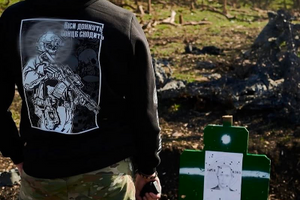
Clubs fear them. Police fear them. Sometimes their own federation fears them.
And yet — without them, Ukrainian football doesn't exist. At least not the kind worth watching.
Who are the ultras — and why are they so much more than fans in the stands?
Where It All Began
The ultras movement came to Ukraine from Italy and the Balkans in the 1990s. First as a copy: drums, flares, chants. Gradually — as its own culture.
Ukrainian ultras grew up in a specific environment. The collapse of the USSR, the absence of institutions, clubs without money, stadiums without security. In this chaos, fans organized themselves. Not because they wanted power — because there was nobody else to do it.
They organized their own away trips. Negotiated with rival groups themselves. Decided for themselves — whether to fight or shake hands.
From this grew something club managers didn't anticipate: structure, a code, brotherhood.
The Code That Exists in No Statute
Ultras have no official rules. But everyone in the scene knows the basics.
The away trip is sacred. A game in another city, without support, often outnumbered — the most important test of loyalty. Those who go on away trips are the real ones. Not those who buy a ticket to a home game when it's convenient.
Traitors are not forgiven. Switching to a rival group, leaking information, stabbing someone in the back — that's unforgivable. A code with no appeals and no statute of limitations.
The club above all, but not the management. Ultras love the club — its anthem, its crest, its city. But not the owner, not the director, not the political convenience. When a club changes its name or gets sold to an oligarch — ultras are the first to protest. Even if it costs them their accreditation.
From the Stands to the Maidan
2013–2014 changed everything.
Ultras from different clubs — Dynamo, Shakhtar, Dnipro, Karpaty — stood side by side at the Maidan. People who a month earlier might have been fighting each other suddenly found themselves on the same side of the barricades.
Literally.
It was ultras who organized some of the first self-defense units. They knew how to hold a line. They knew what discipline in a crowd meant. They knew how not to run when batons were flying. This knowledge wasn't theoretical — it came from years of away trips, conflicts, and situations where you either hold together or everything falls apart.
Maidan revealed what ultras actually are: not a stadium subculture, but a civil structure ready for action.
After 2022
The full-scale invasion put an end to any question of where Ukrainian ultras actually stand.
Hundreds went to the front. Not as an organized unit — as people for whom defending what's theirs is a natural state of being. The same reflex that drove them on away trips into hostile cities — now in a completely different context.
Others stayed: organizing humanitarian fundraising, supporting families of the fallen, keeping the stands alive — because even during the war, Ukrainian football didn't stop. It became part of the resistance.
Why They're Feared
Not because of flares. Not because of fights.
Because of independence.
Ultras can't be bought. They can't be pressured by a corporate sponsor or an advertising contract. They won't stay silent when something is wrong — even if it's inconvenient for the club, the federation, or the state.
In a country where most institutions are in some way controlled by someone's interests — an independent, self-organized, and responsibly tough structure looks threatening.
To some. To others — hope.
ROWDY COMPANY.
@ua_ultrasss — the movement page.